





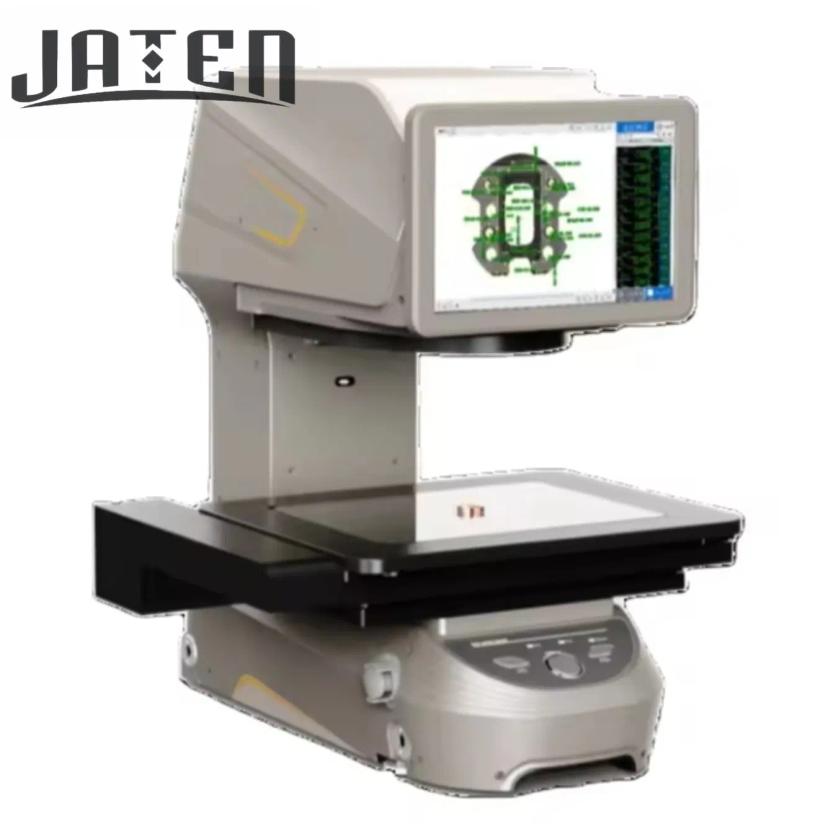
The performance of an automatic video measuring machine depends on three key factors: true optical imaging, clear image quality, and stable edge detection. These are achieved through the integration of a dual-magnification telecentric lens, a high-resolution CCD camera, and an adjustable lighting system.
1. Dual-Magnification Bi-Telecentric Lens: Ensuring True Dimensions
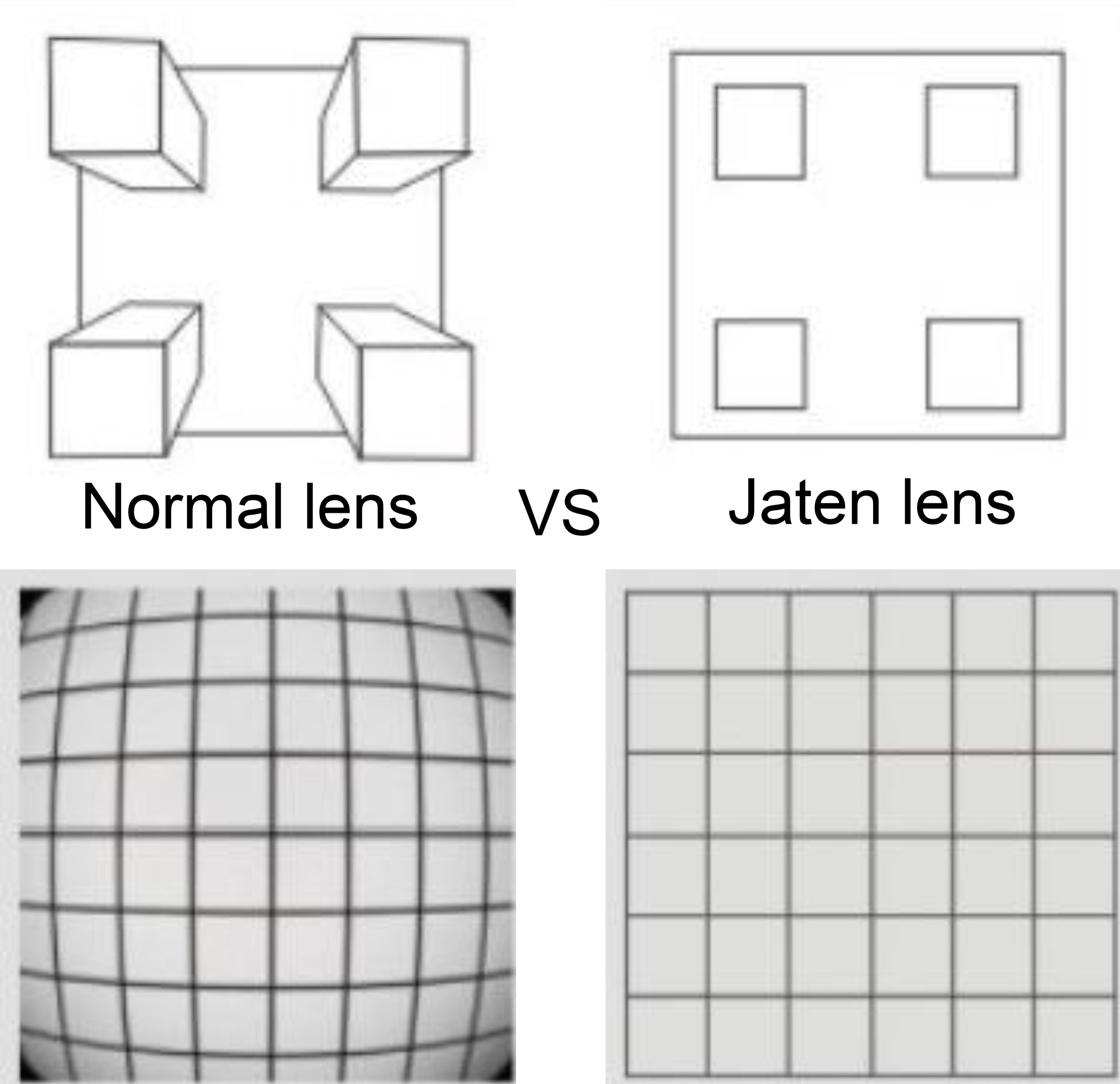
Conventional lenses often suffer from Perspective Distortion, where object height or position changes lead to measurement deviations. A bi-telecentric lens minimizes this issue by keeping magnification constant regardless of object distance.
Key advantages include:
Accurate measurement even with height differences (step features)
Minimal distortion, even at the edges of the field of view
Reduced sensitivity to object positioning
For example, when measuring stepped metal parts, dimensional accuracy remains consistent regardless of height variation.
The dual-magnification design further improves efficiency:
Low magnification for quick positioning
High magnification for detailed inspection
This combination reduces operation time while maintaining precision.
2. 20MP CCD Camera: Enhancing Detail Recognition
A CCD camera offers superior Signal-to-Noise Ratio, producing cleaner and more stable images compared to standard sensors.
The benefits of a 20-megapixel resolution include:
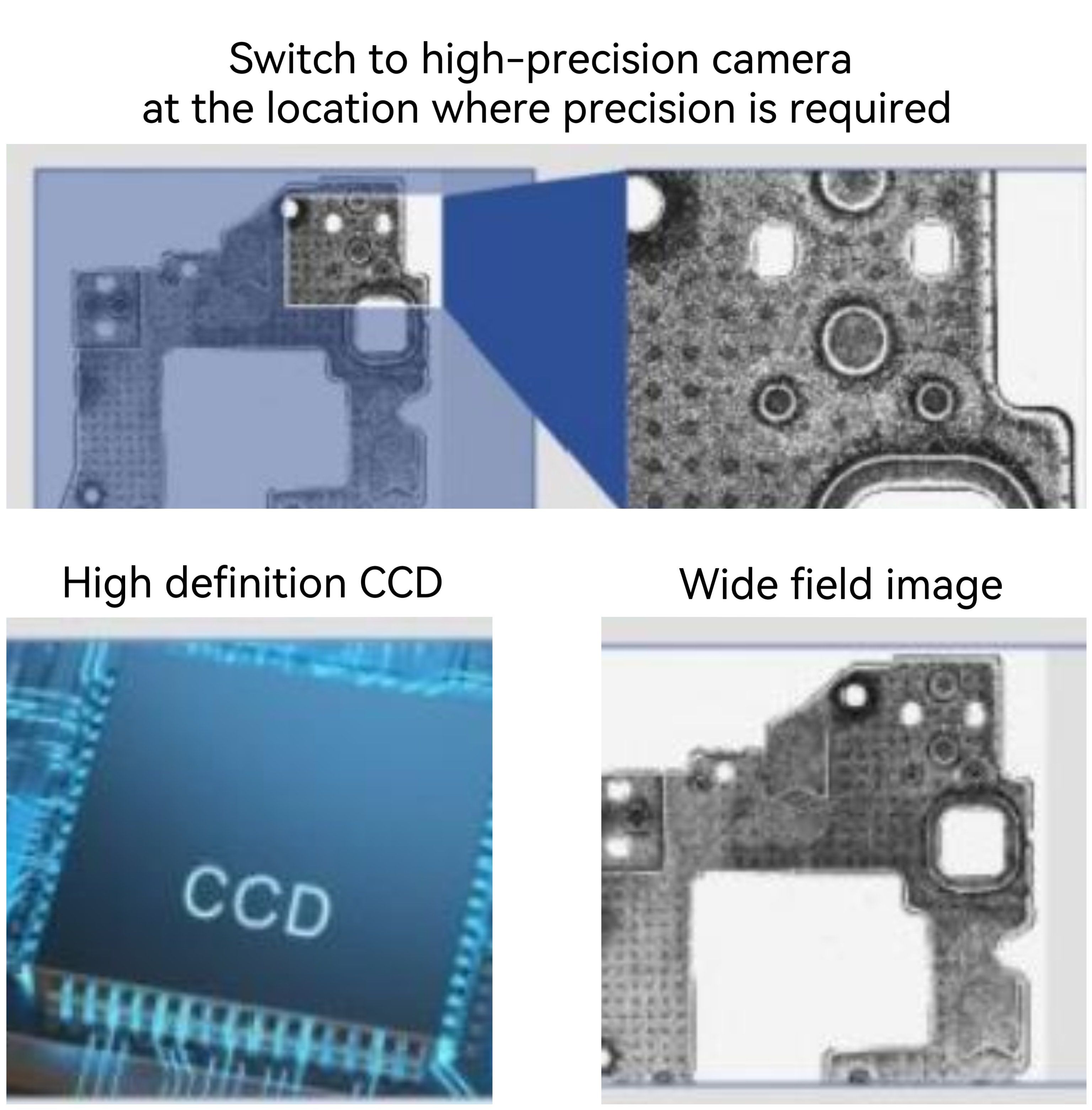
More edge sampling points for better curve fitting accuracy
Improved detection of fine features such as micro-holes and burrs
Support for wide-field scanning combined with high-precision local measurement
For instance, in PCB inspection, the system can scan the entire board and then switch to high-resolution measurement for critical areas, balancing speed and accuracy.
3. Adjustable Lighting System: Enabling Reliable Edge Detection
Measurement accuracy relies heavily on Edge Detection, which depends on contrast between light and shadow.
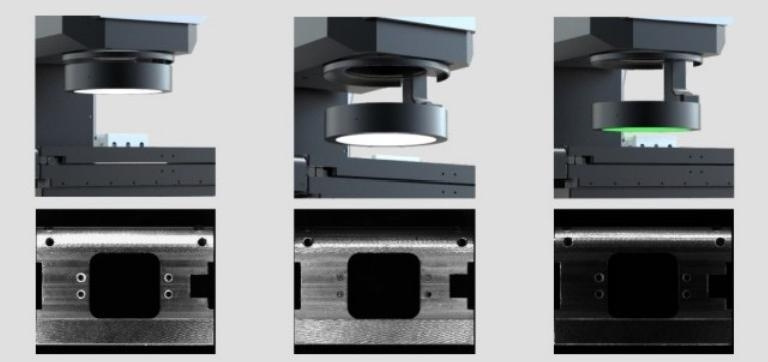
A multi-lighting system typically includes:
Backlight for clear silhouette extraction
Coaxial light for reflective surfaces
Ring light for enhancing surface details
The goal is not maximum brightness, but optimal contrast for edge clarity.
With automatic light adjustment, the system can adapt to environmental changes, ensuring consistent results and reducing operator-dependent variations.
4. Conclusion
The accuracy of an automatic video measuring machine is not defined by a single specification, but by the coordination of its core systems:
Telecentric lens → ensures dimensional accuracy
CCD camera → delivers stable, high-quality images
Lighting system → enables precise edge detection
Only through the integration of these components can stable, repeatable, and reliable measurement results be achieved.