





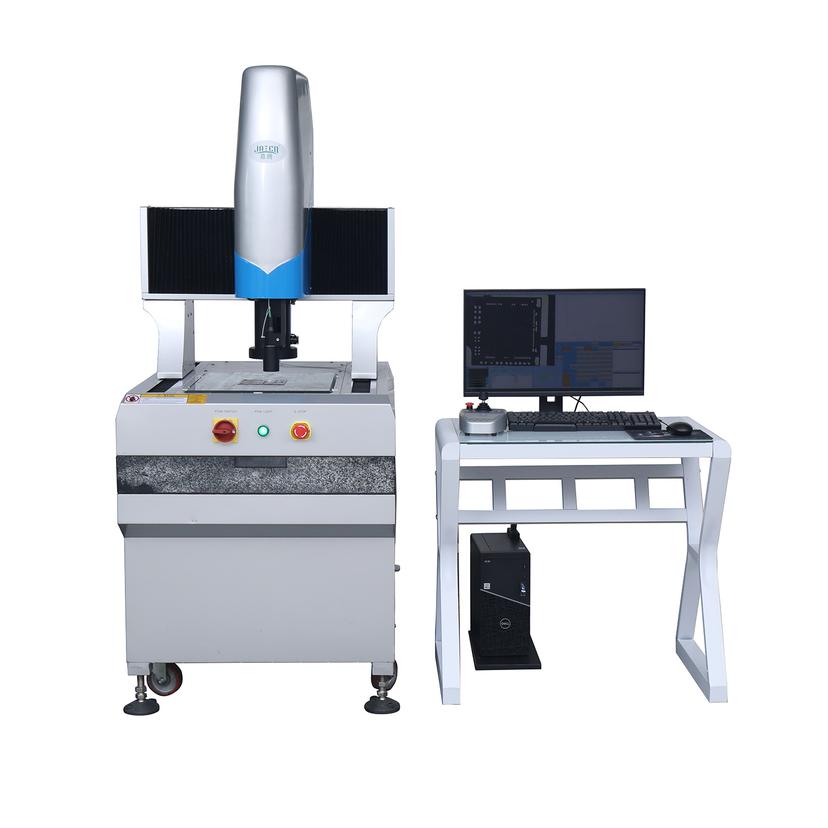
In the operation of a Video Measuring Machine (VMM), measurement accuracy is a core performance indicator. High-precision measurement for electronic components, mold parts, glass, and LCD materials relies on calibration with traceable standard tools. These tools provide a reliable reference and ensure the consistency and reliability of measurement results.
1. Glass Scale
The glass scale is the most commonly used tool for calibrating the XY-axis. It is made of high-precision optical glass with evenly spaced lines, allowing multi-point calibration. Its main purposes include:
1.1 Pixel Size Ratio Establishment
By capturing images of the scale lines, the software calculates the real-world dimensions corresponding to each pixel, enabling accurate conversion from image coordinates to physical coordinates.
1.2 Lens Magnification Calibration
Each lens magnification requires separate calibration to maintain consistent measurement results at different zoom levels.
Example: When measuring small PCB pads, multi-point calibration of the XY platform using a glass scale effectively reduces positional measurement deviations and ensures stable batch measurements.
2. Gauge Blocks
Gauge blocks are used to verify length measurement capability. They are usually made of steel or ceramic and come with national metrology certification, offering very high accuracy. Their main functions include:
2.1 Length Measurement Verification
Check whether the measured values of the equipment match the standard values across different ranges, ensuring measurement reliability.
2.2 Mechanical System Accuracy Check
Evaluate the linear accuracy and stability of XYZ-axis screws, guides, and encoders, providing the basis for mechanical adjustment or software compensation if needed.
Example: Measuring a 10mm gauge block allows verification of repeatability and ensures reliable results for subsequent component measurements.
3. Other Common Standard Tools
Circular Gauge: Calibrates roundness and hole diameters, ensuring accurate edge recognition.
Standard Sphere: Used for Z-axis focus and 3D measurement calibration.
Precision Grid Plate: Establishes error distribution for large-travel stages, supporting multi-point calibration.
Combined use of these tools forms a complete multi-dimensional calibration system, ensuring the optical, mechanical, and software systems work together for optimal measurement performance.
4. Usage Considerations
Environmental Control: Maintain stable temperature, humidity, and vibration to minimize environmental impact on measurements.
Regular Calibration: Quick verification weekly, full calibration every 3–6 months.
Cleaning and Maintenance: Keep standard tools clean to prevent dust or scratches from affecting measurements.
Data Recording: Save calibration data to track accuracy changes and error trends over time.
5. Conclusion
The accuracy of a Video Measuring Machine relies on establishing a reliable measurement reference with standard tools. Glass scales calibrate the XY axis and pixel ratio, gauge blocks verify length measurement and system stability, and other tools support multi-dimensional calibration. Proper use of these tools ensures accurate measurements, stable equipment performance, and improved inspection efficiency.