




Key Features of a Tensile Tester
Wide Testing Capability: Supports tensile, compression, bending, folding, shear, tear, and peel tests.
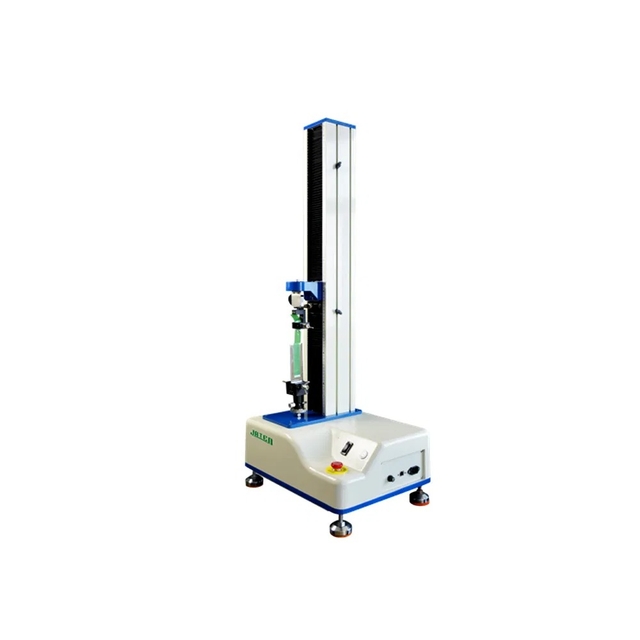
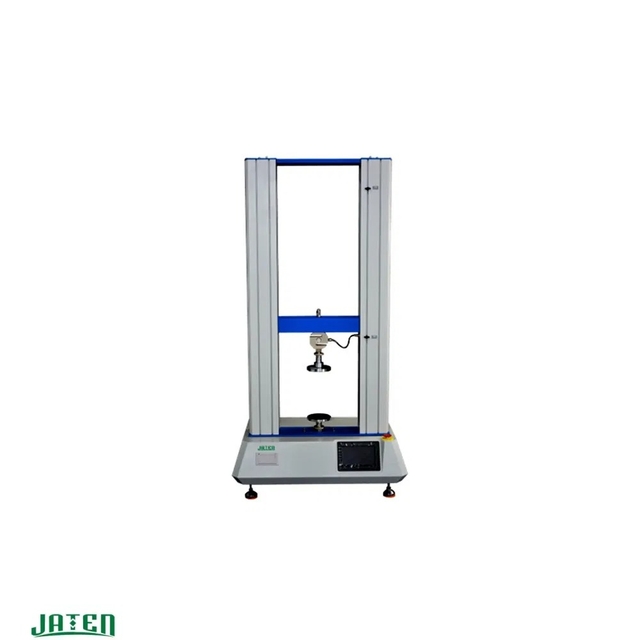
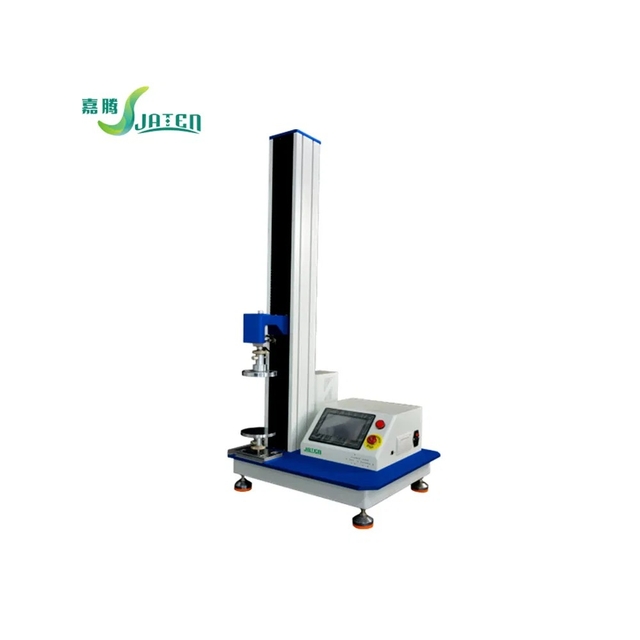
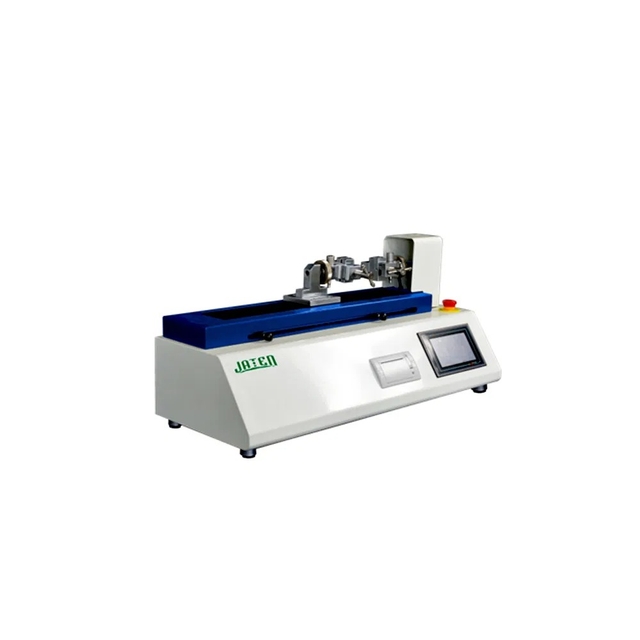
Key Features of a Tensile Tester
Precision Drive System: High-precision, zero-backlash ball screws with synchronous belts ensure smooth motion and reliable accuracy.
Advanced Control Methods: Data acquisition and motion control can be performed via microcomputer or PC, enabling precise test program setup.
Safety and Protection: Equipped with electronic limit protection, emergency stop, and overload automatic protection for safe operation.
Ease of Operation: Dual-speed lifting control (fast/slow) with manual adjustment, supporting standard or customized fixtures.
Appearance and Structural Design: Dynamic base with electrostatic spray finish combines aesthetics with stability; compact design suitable for industrial environments.
Adaptable Specifications: Supports maximum test forces from 1000 N to 5000 N, with extendable test strokes to meet various requirements.
Application Areas of a Tensile Tester
Tensile Testers are widely used across industries and materials testing, including:


Hardware & Mechanical Components: Testing screws, springs, and metal parts for tensile and compressive performance.
Rubber & Plastics: Strength and elongation tests for rubber products and plastic components.
Paper Products & Packaging: Tear and peel tests for paper, cartons, adhesive tapes, and printed packaging materials.
Textiles & Bags: Tensile and durability tests for fabrics, textiles, handbags, and luggage materials.
Medical & Daily Chemicals: Mechanical property testing for medical devices, pharmaceutical packaging, and consumer products.
Food & Electronics: Testing mechanical properties of food packaging, wires, cables, and electronic components.
Research & Development: Performance evaluation and quality control for new materials, composites, and industrial products.